|
Friends of Jamaica Pond Jamaica Pond Project
36 Perkins St., PO Box 300040, Jamaica Plain, MA 02130-0030 Gerry Wright, Founder and President Telephone:
617-524-7070 Email: FrederickLawOlmsted@yahoo.com TTY/MA
RELAY 800-439-2370 Like our page on FaceBook for updated notices on events and policy issues at A program of Community Service Care, Inc. a non-profit, tax exempt organization |
||||||||||||
|
|
||||||||||||
 "Let it be not for present use and delight alone, but let it be of such a work that our descendents will thank us for it." Frederick Law Olmsted |
Environmental
Emerald
Necklace Fungi (Coming Soon) Emerald
Necklace’s WOOD
DUCK Pato
de charreteras by Stephen Baird Wood Ducks on Jamaica Pond Wood
Duck - Aix sponsa “waterbird
in bridal dress” Links and Resources:
Cornell University's
Ornithology Department on line field guide page on Wood Ducks
with sample song clip HERE
University of Michigan web page
on Wood Ducks HERE USGS bird indentification and
breeding atlas Wood Duck web page: HERE (
Gough, G.A., Sauer, J.R., Iliff, M. Patuxent Bird
Identification
Infocenter. 1998. Version 97.1. Patuxent Wildlife Research
Center, Laurel, MD) UPDATE:
April 2016. Wood Ducks are nesting in the Leverett Pond nesting
box! Iowa State University Extension Service Wood Duck nesting box design and information HERE National
Audubon Society Wood Duck nesting box design and information HERE Mississippi Forest and Wildlife Research Center at Mississippi State University Wood Duck nesting box design and information HERE John Audubon's Birds of America 1840
"Summer or Wood
Duck" read his natural history details HERE Life
Histories of Familiar North American Birds by Arthur Cleveland Bent
1968 - Wood Duck - Original
Source: Bent, Arthur Cleveland. 1923. Smithsonian Institution United
States National Museum Bulletin 126 (Part I) : 158-171. United States
Government Printing Office HERE Native
American Stories:
Their fine Feathers - How the Ducks Got Their Colorful Feathers -HERE Male Wood Duck on Jamaica Pond 36
Perkins St., PO Box
300040, Jamaica Plain, MA 02130-0030 Gerry Wright, Founder
and
President Telephone:
617-524-7070 Email: FrederickLawOlmsted@yahoo.com TTY/MA
RELAY 800-439-2370
Class Room:
Education
Projects



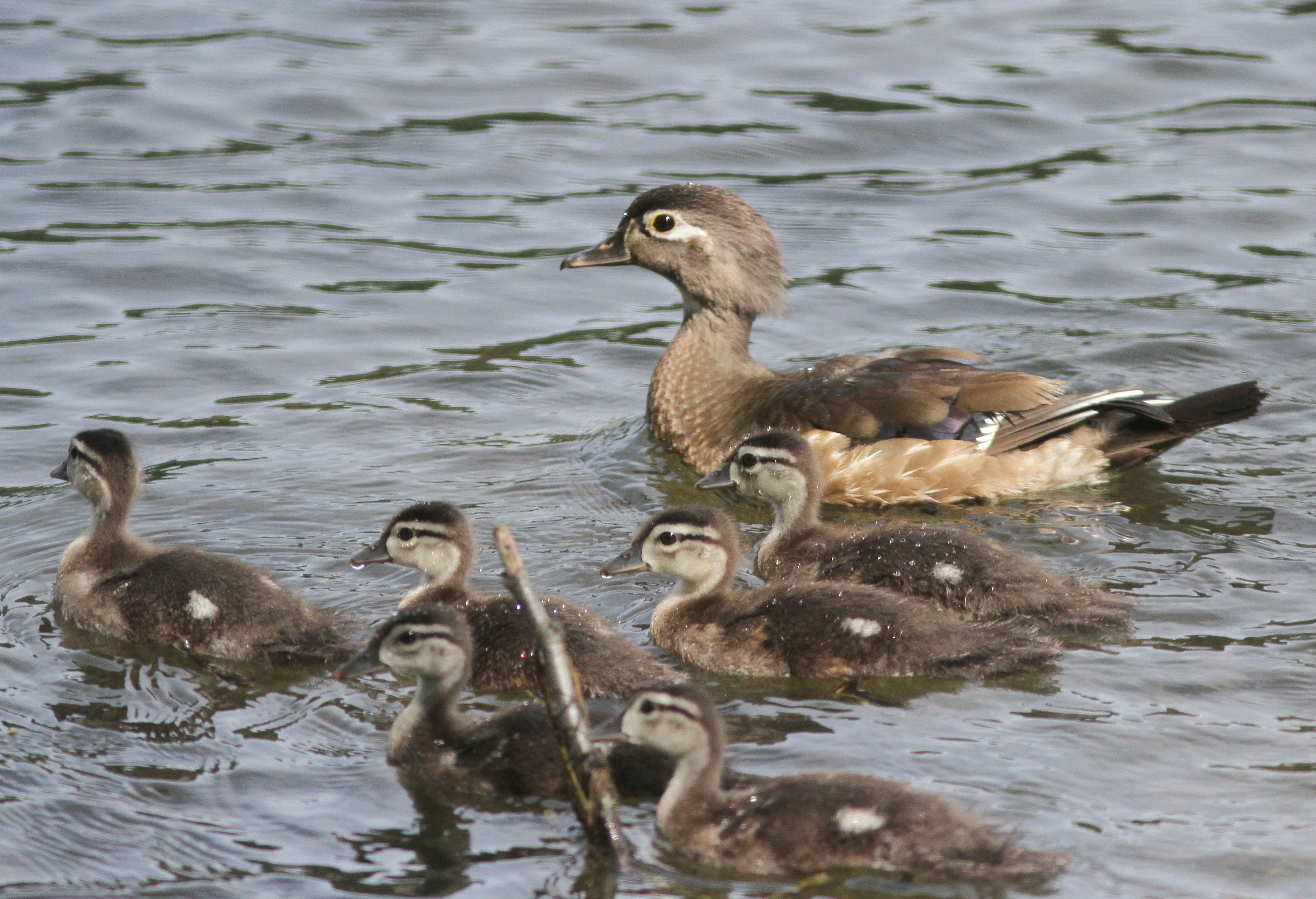


Female
Wood Duck on Jamaica Pond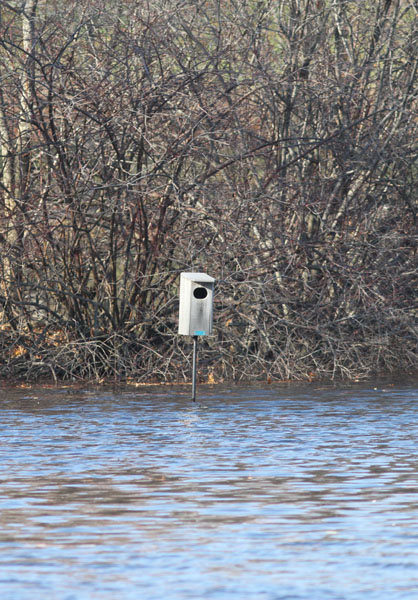
Wood Duck nesting houses installed on Leverett and Wards Ponds in
Olmsted Park
in collaboration between Friends of Olmsted Park-Friends of Jamaica
Pond, Friends of Leverett Pond and the Boston Nature Center


Jamaica Pond Project